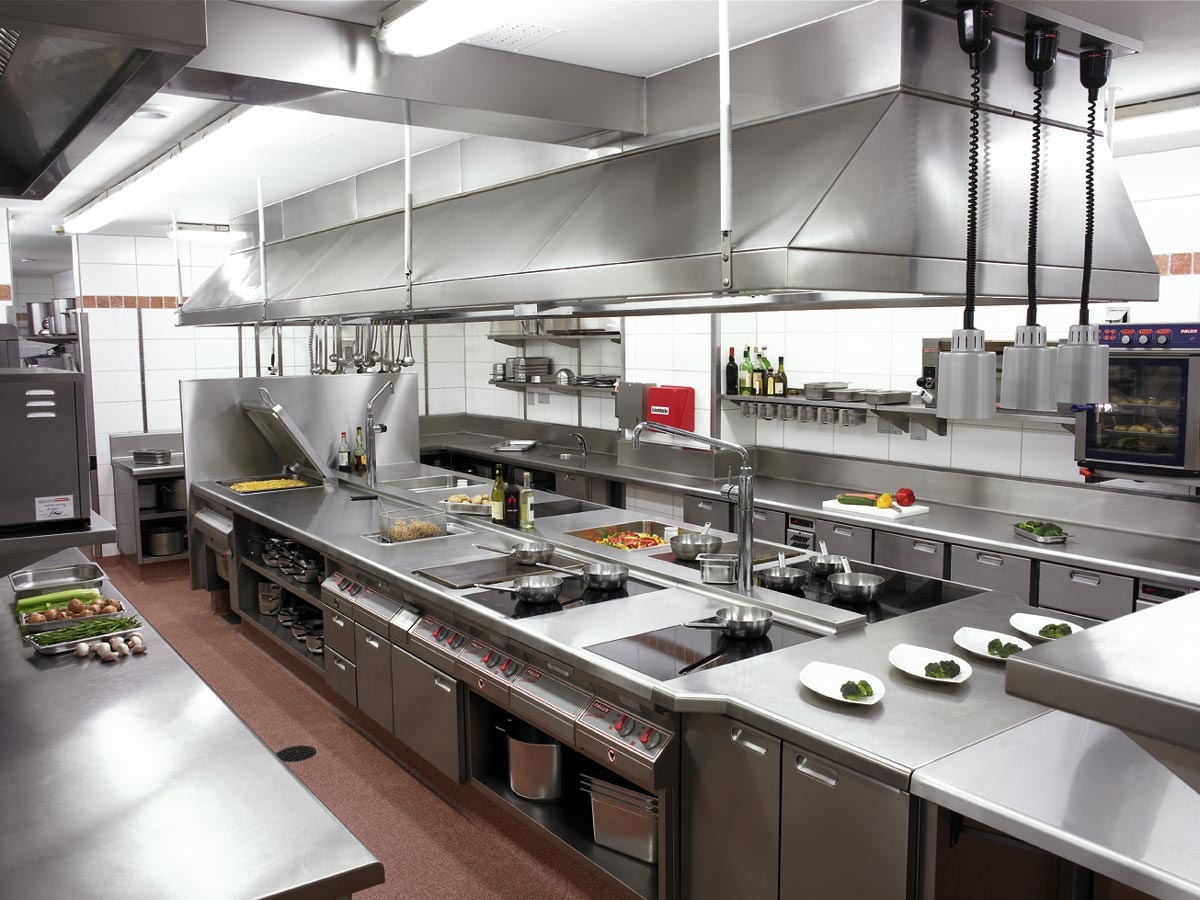
Commercial kitchen equipment forms the backbone of every successful restaurant, café, bakery, hotel kitchen, and catering business. Behind every delicious dish served to customers is a well-organized kitchen filled with reliable tools and machines designed for efficiency, safety, and consistency. Unlike household appliances, commercial kitchen equipment is specifically built to handle large volumes of food preparation while maintaining high standards of quality and hygiene. For food businesses that operate in fast-paced environments, having the right equipment is not just convenient but absolutely essential.
One of the most important benefits of commercial kitchen equipment is its ability to support high productivity commercial kitchen equipment. Restaurants and food service operations often prepare hundreds of meals in a single day, and ordinary kitchen appliances would not be able to withstand such demands. Professional equipment is designed with powerful motors, durable materials, and efficient systems that allow chefs and kitchen staff to work quickly without sacrificing food quality. This efficiency helps businesses serve customers faster while maintaining a consistent level of service.
Durability is another key characteristic of commercial kitchen equipment. Since professional kitchens operate for many hours every day, the equipment used must be strong enough to endure constant use. Most commercial appliances are constructed from stainless steel or other heavy-duty materials that resist corrosion, heat, and moisture. These materials also make cleaning easier, which is critical for maintaining food safety standards in busy kitchens.
Food safety and hygiene are major priorities in the food service industry, and commercial kitchen equipment plays a vital role in supporting these requirements. Proper refrigeration units keep ingredients fresh and prevent bacterial growth, while specialized cooking appliances ensure food reaches safe temperatures during preparation. Surfaces made from stainless steel are non-porous and easy to sanitize, helping kitchen staff maintain a clean environment that meets health regulations.
Another advantage of commercial kitchen equipment is its versatility. Professional kitchens require a wide range of tools for different cooking techniques, from grilling and frying to baking and steaming. Equipment such as ovens, grills, mixers, fryers, refrigerators, and food processors allows chefs to prepare diverse menus efficiently. Each piece of equipment is designed with specific features that support particular cooking methods, making it easier for kitchen staff to create high-quality meals consistently.
The layout of a commercial kitchen is often designed around the placement of its equipment. A well-planned kitchen ensures that staff can move easily between preparation areas, cooking stations, and storage spaces. Efficient placement of commercial kitchen equipment reduces unnecessary movement and helps improve workflow. This organization allows chefs to focus more on cooking and less on navigating around obstacles.
Energy efficiency has also become an important consideration when selecting commercial kitchen equipment. Modern appliances are designed to use energy more effectively while still delivering strong performance. Energy-efficient ovens, refrigerators, and dishwashers can significantly reduce electricity consumption, which helps lower operating costs for food businesses. Many restaurant owners now prioritize equipment that combines performance with environmental responsibility.
Technology is transforming the way commercial kitchens operate. Advanced commercial kitchen equipment now includes digital controls, programmable settings, and smart monitoring systems that allow chefs to manage cooking processes with greater precision. For example, programmable ovens can maintain exact temperatures and cooking times, ensuring consistent results for every batch of food. Some refrigeration systems also include temperature monitoring features that alert staff if conditions change unexpectedly.
Commercial kitchen equipment also improves workplace safety. Kitchens can be hazardous environments due to heat, sharp tools, and heavy equipment. Professional appliances often include safety features such as automatic shut-off systems, insulated handles, and stable designs that reduce the risk of accidents. Proper ventilation systems are another important part of commercial kitchens, helping remove heat, smoke, and odors while maintaining comfortable working conditions for staff.
Another important aspect of commercial kitchen equipment is its role in food presentation. High-quality equipment allows chefs to prepare dishes with precision and creativity. From perfectly baked pastries to evenly grilled meats, the right tools help chefs deliver meals that not only taste good but also look appealing to customers. In competitive food industries, presentation can greatly influence customer satisfaction and repeat business.
The flexibility of commercial kitchen equipment also supports menu innovation. As food trends evolve, restaurants often update their menus to meet changing customer preferences. Equipment such as multifunctional ovens, high-speed blenders, and advanced cooking systems allows chefs to experiment with new recipes and cooking styles. This adaptability helps restaurants stay relevant in a dynamic and competitive market.
Maintenance is an important part of ensuring the long-term performance of commercial kitchen equipment. Regular cleaning, inspections, and servicing help prevent breakdowns and extend the lifespan of appliances. When equipment functions properly, kitchens can operate smoothly without unexpected interruptions that could affect service. Many businesses establish maintenance schedules to keep their equipment in optimal condition.
Training staff to properly use commercial kitchen equipment is equally important. Even the most advanced machines require knowledgeable operators to achieve the best results. Kitchen staff must understand how to operate equipment safely, adjust settings correctly, and perform basic maintenance tasks. Proper training improves efficiency, reduces mistakes, and ensures that equipment is used to its full potential.
Commercial kitchen equipment also contributes to the overall reputation of a food business. Customers may never see the kitchen directly, but the quality of the meals they receive reflects the tools used in preparation. Reliable equipment allows chefs to produce consistent dishes that meet customer expectations. Over time, this consistency builds trust and encourages customers to return.
In large-scale food operations such as hotels and catering services, commercial kitchen equipment becomes even more critical. These environments require the ability to prepare large quantities of food within limited timeframes. Industrial mixers, high-capacity ovens, and powerful refrigeration systems make it possible to handle such demands efficiently. Without these tools, meeting the expectations of large groups of customers would be extremely difficult.
The investment in commercial kitchen equipment is often significant, but it is one of the most important decisions a food business can make. High-quality equipment not only improves productivity but also reduces long-term costs by minimizing repairs and energy consumption. For restaurant owners and chefs, choosing reliable equipment is a strategic step toward building a successful and sustainable operation.
Ultimately, commercial kitchen equipment represents the foundation of modern culinary operations. It supports every stage of food preparation, from ingredient storage to final presentation. By combining durability, efficiency, safety, and technological innovation, these tools enable chefs and kitchen staff to deliver excellent dining experiences. In a fast-moving food industry where quality and speed are essential, commercial kitchen equipment remains an indispensable part of every professional kitchen.
